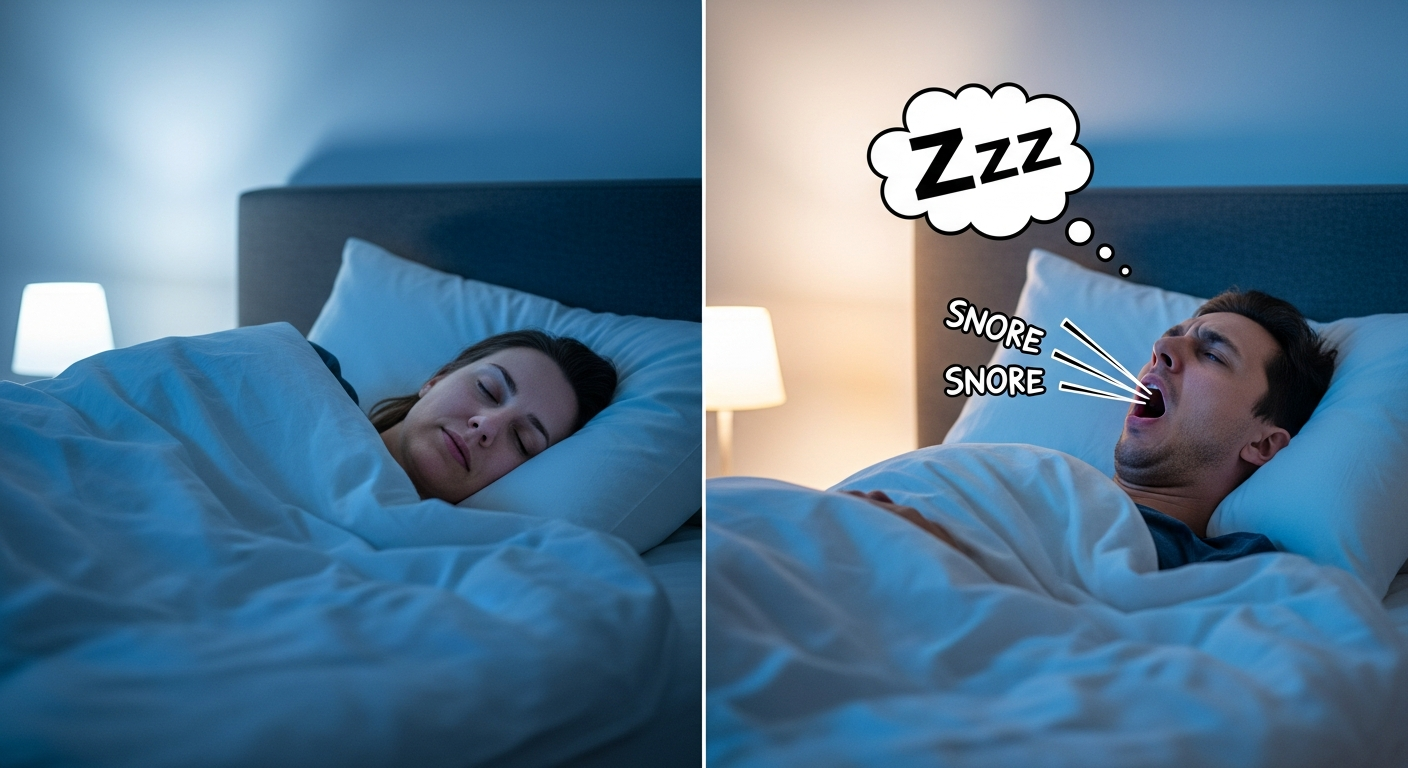

The Silent Health Threat
Obstructive sleep apnea (OSA) affects an estimated 15% of Singaporeans, but most don't know they have it. Left untreated, OSA increases your risk of heart attack, stroke, diabetes, and car accidents.
Do You Have These Symptoms?
Nighttime Symptoms
Loud Snoring The most obvious sign. Your partner probably complains about it. But not all snorers have sleep apnea — it's the pattern that matters.
Warning signs:
- Snoring interrupted by silent pauses (you stop breathing)
- Gasping or choking sounds
- Snoring that disrupts your partner's sleep
Witnessed Breathing Pauses If your partner has seen you stop breathing during sleep, that's a major red flag. These pauses can last 10-60 seconds and occur dozens or hundreds of times per night.
Restless Sleep
- Tossing and turning
- Waking up frequently
- Night sweats
- Frequent urination at night
Daytime Symptoms
Excessive Daytime Sleepiness Do you:
- Struggle to stay awake in meetings?
- Fall asleep watching TV?
- Feel drowsy while driving?
- Need naps to get through the day?
This isn't just "not being a morning person" — it's a sign your sleep isn't restorative.
Morning Symptoms
- Waking up with headaches
- Dry mouth or sore throat
- Feeling unrefreshed despite 7-8 hours in bed
Cognitive Effects
- Difficulty concentrating
- Memory problems
- Irritability or mood changes
- Decreased productivity
Risk Factors
Physical Factors
Obesity The strongest risk factor. Excess weight around the neck and throat compresses the airway. BMI > 30 significantly increases risk.
Neck Circumference
- Men: > 43cm (17 inches)
- Women: > 38cm (15 inches)
Anatomy
- Large tonsils
- Narrow throat
- Deviated septum
- Receding chin
- Large tongue
Age Risk increases with age, particularly after 40.
Gender Men are 2-3x more likely to have OSA (but women catch up after menopause).
Lifestyle Factors
Alcohol Relaxes throat muscles, worsening obstruction. Especially problematic if consumed close to bedtime.
Smoking Increases inflammation and fluid retention in the airway. Smokers are 3x more likely to have OSA.
Sleeping Position Sleeping on your back allows gravity to collapse the airway.
Medical Conditions
- High blood pressure
- Diabetes
- Heart disease
- Stroke history
- PCOS (in women)
- Hypothyroidism
The Epworth Sleepiness Scale
Rate your likelihood of dozing off (0 = never, 3 = high chance) in these situations:
- Sitting and reading
- Watching TV
- Sitting inactive in a public place
- As a car passenger for an hour
- Lying down in the afternoon
- Sitting and talking to someone
- Sitting quietly after lunch (no alcohol)
- In a car, stopped in traffic
Score interpretation:
- 0-7: Normal
- 8-9: Mildly sleepy
- 10-15: Moderately sleepy
- 16-24: Severely sleepy
Score of 10+ suggests you should get evaluated for sleep apnea.
Singapore-Specific Concerns
The Kiasu Culture Problem
Singaporeans often dismiss symptoms:
- "Everyone is tired — it's the work culture"
- "Snoring is normal"
- "I'll rest when I'm less busy"
This delay in diagnosis costs lives. Untreated OSA increases heart attack risk by 30% and stroke risk by 60%.
Driving Risks
In Singapore, severe untreated OSA may affect your driving license. More importantly, drowsy driving causes 20% of serious accidents.
Workplace Impact
Studies show OSA reduces productivity equivalent to missing 2 weeks of work per year. The cognitive impairment is similar to being legally drunk.
When to See a Doctor
See a sleep specialist if you have:
- Loud, frequent snoring
- Witnessed breathing pauses
- Excessive daytime sleepiness
- BMI > 30 with any sleep symptoms
- High blood pressure that's hard to control
- A partner who can't sleep due to your snoring
How Sleep Apnea Is Diagnosed
Home Sleep Test (HST)
- Wear a device at home overnight
- Measures breathing, oxygen levels, heart rate
- Convenient but may miss mild cases
- Cost: $300-$500
In-Lab Polysomnography (PSG)
- Overnight stay at sleep lab
- Comprehensive measurement
- Gold standard for diagnosis
- Cost: $800-$1,500
What the Results Mean
AHI (Apnea-Hypopnea Index): Number of breathing interruptions per hour
- 5-15: Mild OSA
- 15-30: Moderate OSA
-
30: Severe OSA
Don't Ignore the Signs
Sleep apnea is one of the most underdiagnosed conditions in Singapore. The good news? It's highly treatable. Whether through CPAP, surgery, or other options, treating OSA can dramatically improve your quality of life and reduce serious health risks.
If you recognize yourself in these symptoms, take action. A simple sleep study could be the first step toward better sleep — and better health.